Yuh know seh Jamaica had trains before most of the world? Jamaica is famous for reggae, jerk and world-record sprinters. But tucked behind the postcards are stories even many Jamaicans have never heard. Here are ten of our favourites. Read them aloud with your little one and see which one makes them say “Whoa!”
1. Its name means “land of wood and water”
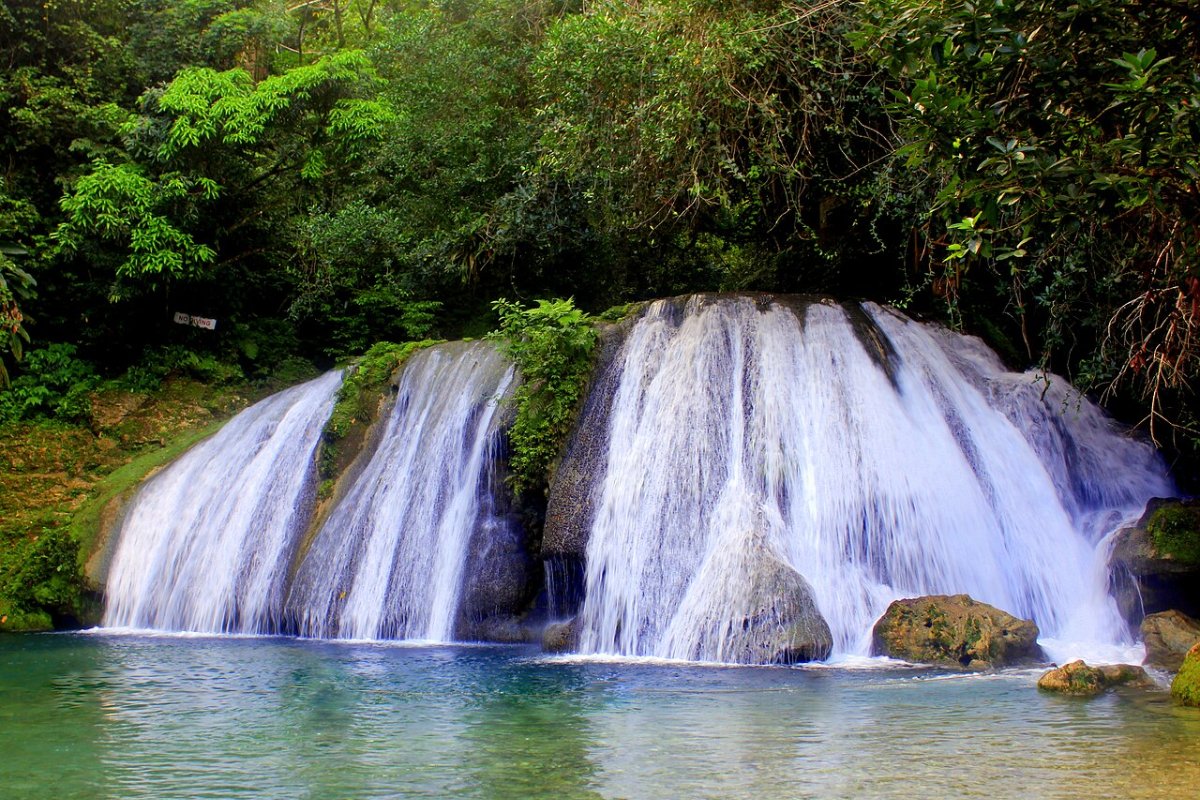
Long before Columbus arrived, the Taíno people called the island Xaymaca. The name is usually translated as “land of wood and water” or “land of springs,” and it fits: Jamaica is full of forests, rivers, waterfalls and cool mountain springs.
When Spanish sailors arrived, they wrote the name down the way they heard it. Over time, the spelling changed and “Xaymaca” became the “Jamaica” we know today. So every time you say the island’s name, you are speaking a word that is well over 500 years old.
2. No other country’s flag looks like it, and every colour has a meaning
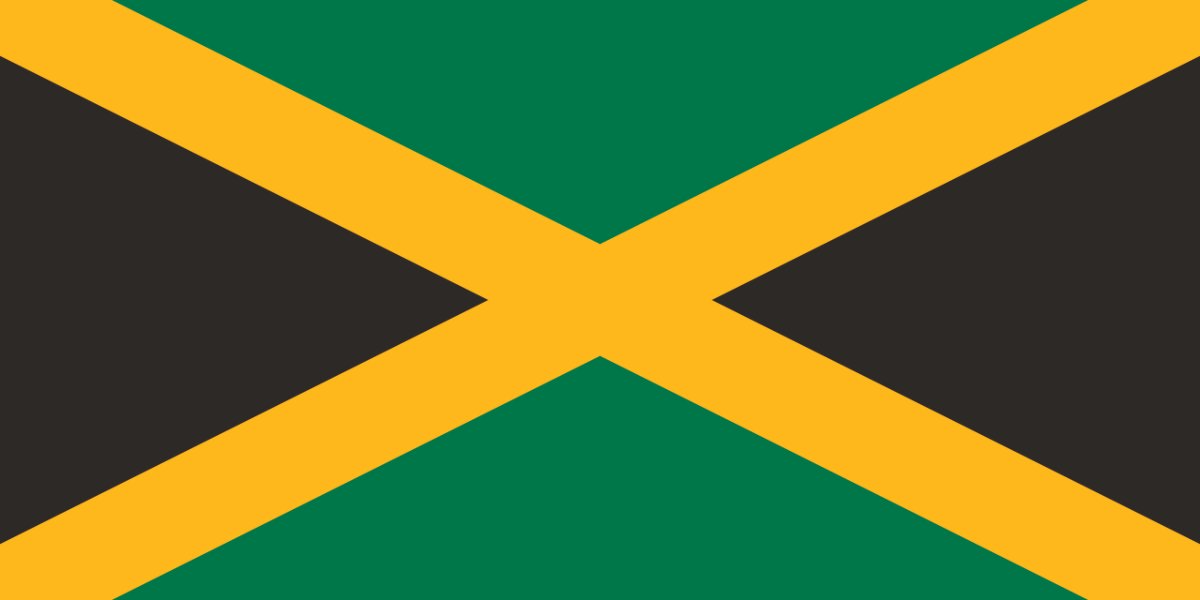
Jamaica’s black, green and gold flag is currently the only national flag in the world without any red, white or blue. It was raised for the first time on 6 August 1962, Jamaica’s first Independence Day.
Each colour tells a story:
- Gold stands for the natural beauty of the sunlight and the wealth of the country.
- Black stands for the strength and creativity of the Jamaican people.
- Green stands for hope and the island’s rich land and farms.
Here’s a fun extra: the first design had stripes, but it looked too much like the flag of Tanganyika (now part of Tanzania). So the designers switched to the bold gold cross, called a saltire, that we know today. Next time you see a row of flags, ask your child to spot the one that breaks the rule.
3. Jamaica had trains before most of the world
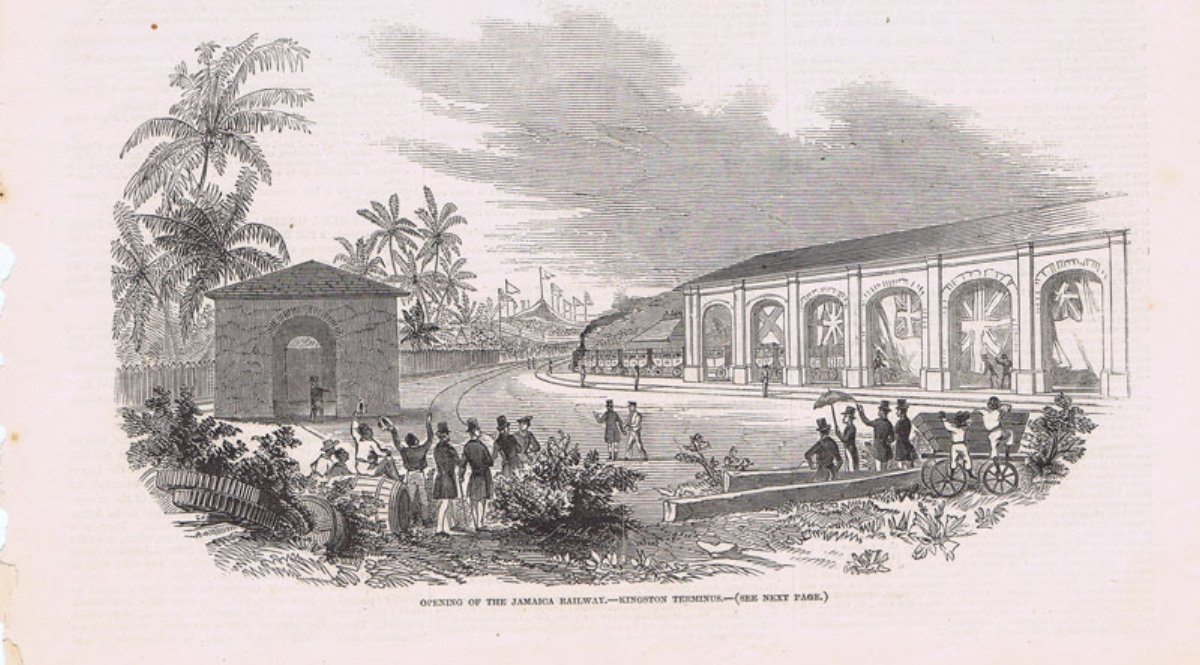
On 21 November 1845, a steam train named The Projector chugged out of Kingston, pulling eight to ten carriages packed with excited passengers. A band played as it set off on the first railway trip in the British West Indies.
Jamaica’s railway was the first opened to traffic anywhere outside Europe and North America, only about 20 years after Britain’s first passenger line. That was years ahead of many places in the United States.
4. There is a real sunken pirate city
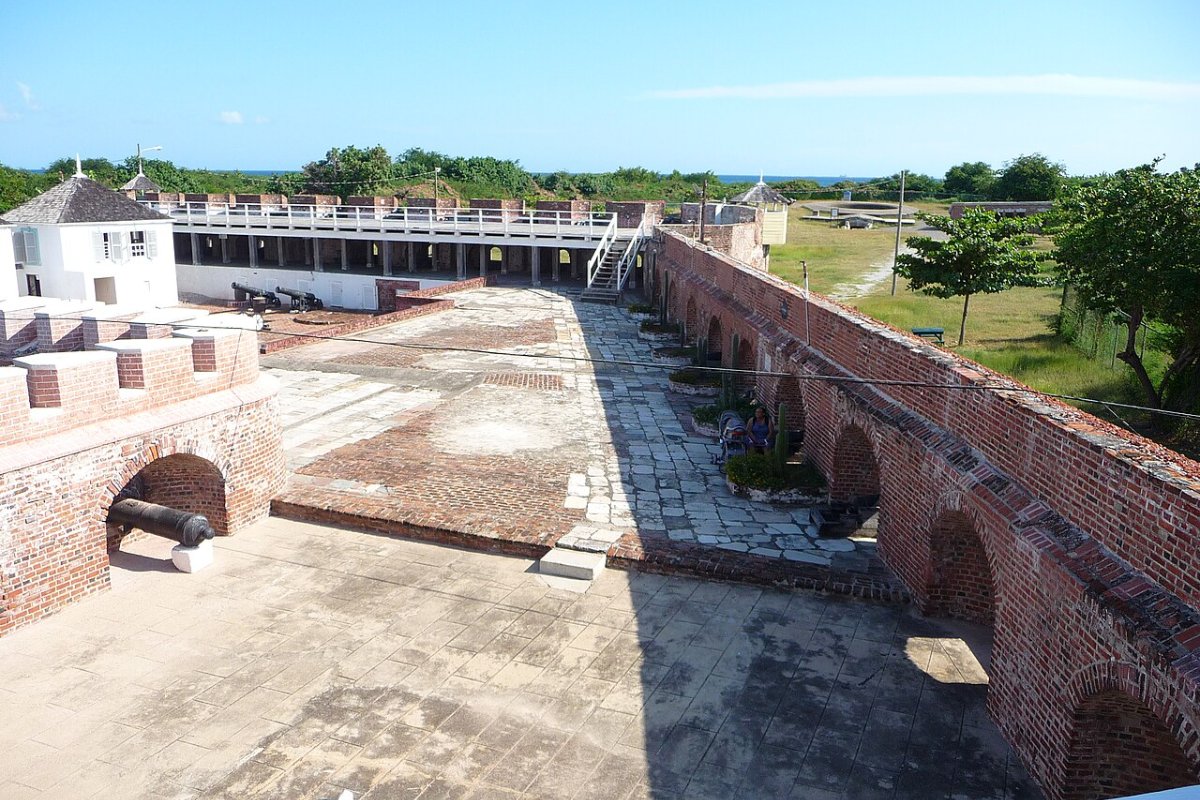
Port Royal, at the tip of Kingston Harbour, was once the busiest and richest town in the Caribbean. It was full of sailors, traders and pirates, and people called it the “wickedest city in the world.”
Then, at about 11:43 a.m. on 7 June 1692, a powerful earthquake shook the town, and about two-thirds of it slid into the sea. Divers exploring the ruins centuries later found a pocket watch that had stopped at that exact moment. Today the underwater city is one of the most important archaeology sites in the Western Hemisphere, and Jamaica has been working to have it named a UNESCO World Heritage Site.
5. A “lost” lizard came back from extinction
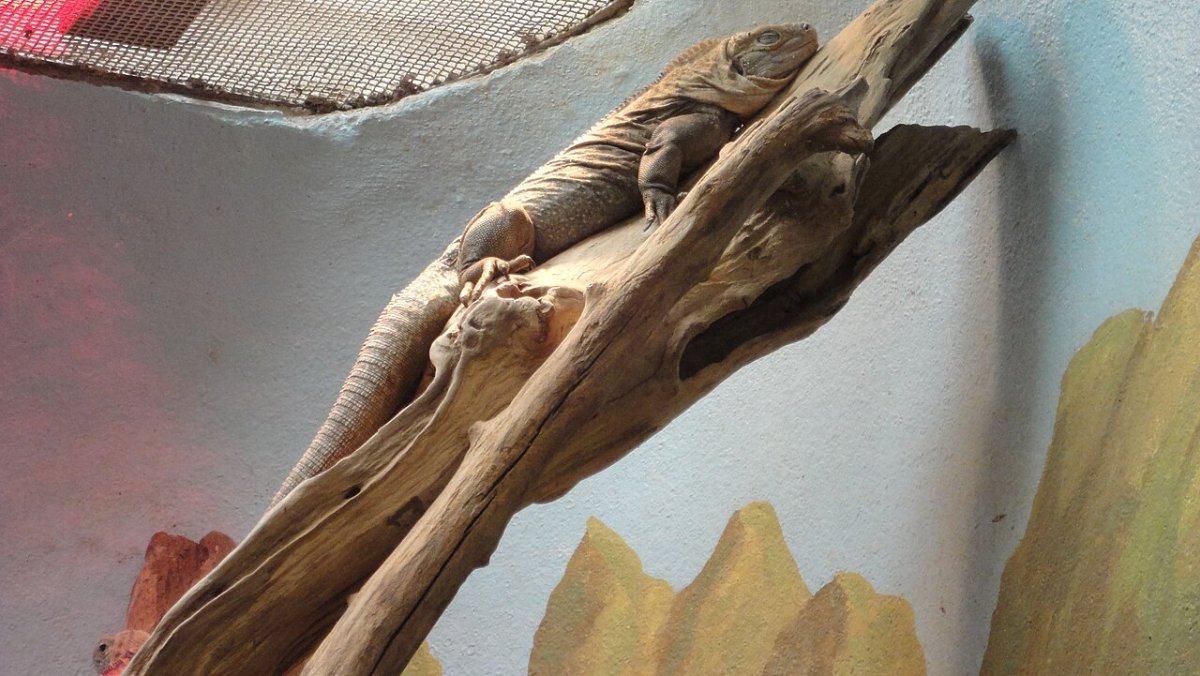
The Jamaican iguana is the second-largest land animal native to Jamaica (only the Jamaican boa snake is heavier). It munches leaves, flowers and fruit from more than 100 kinds of plants.
After mongooses were brought to the island in the 1800s to hunt rats, iguana numbers crashed, and in 1948 the species was declared extinct. Then, in 1990, a pig hunter’s dog chased a living one into a hollow log in the Hellshire Hills. Scientists found a small surviving group and started raising baby iguanas in safety until they were big enough to protect themselves. Hundreds have now been released back into the wild. It is still one of the rarest lizards on Earth, so every one of them counts.
6. The doctor bird lives nowhere else on the planet
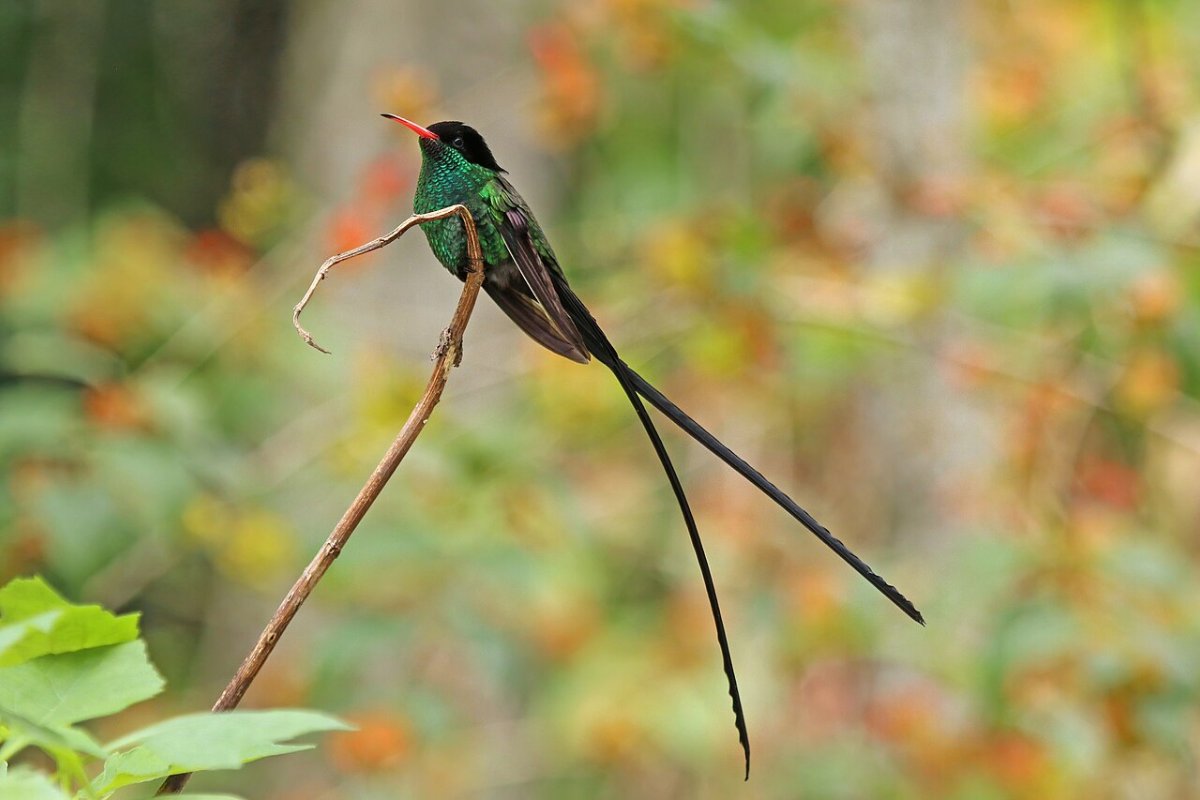
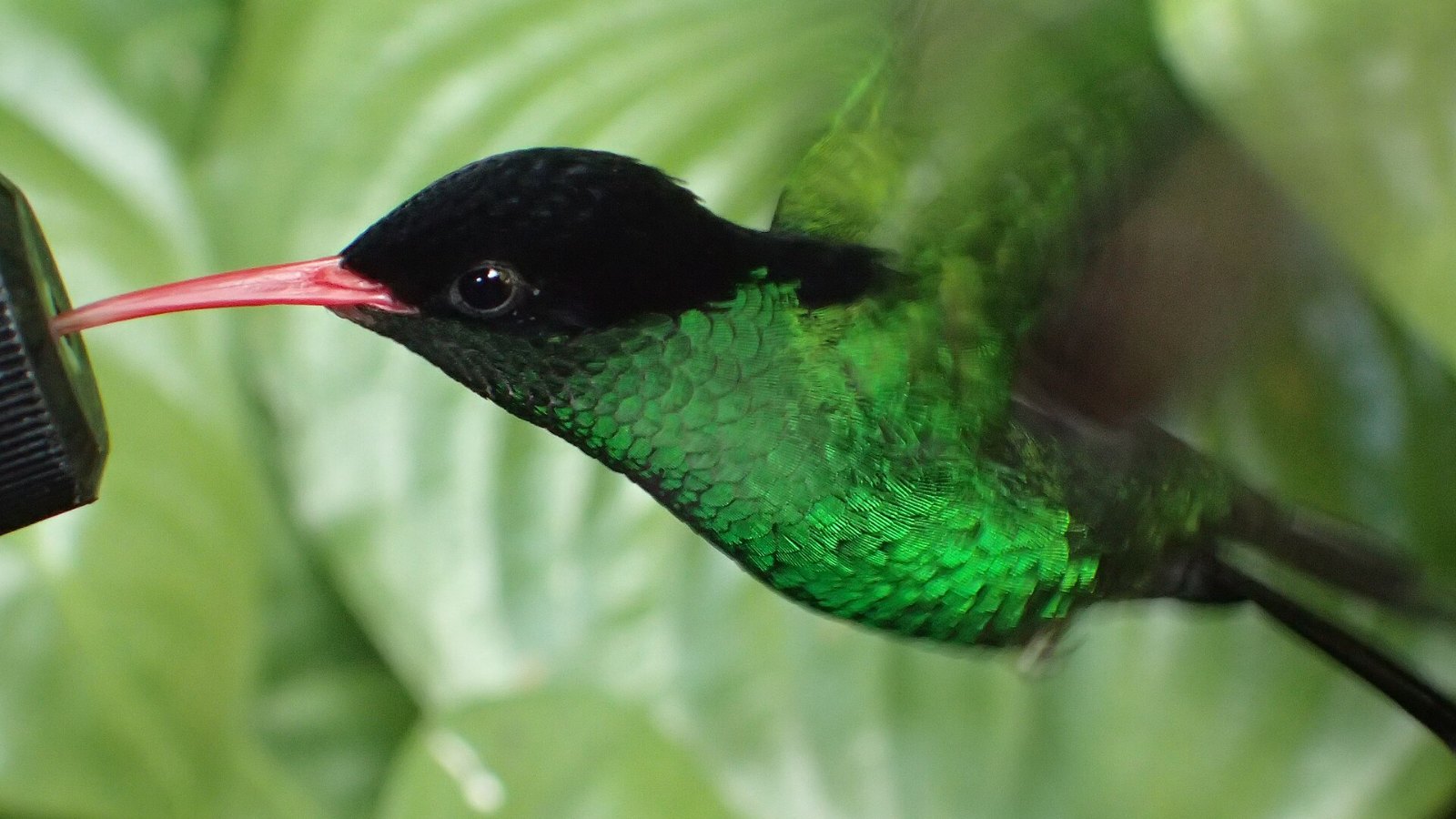
Jamaica’s national bird, the red-billed streamertail, is a hummingbird found only in Jamaica. The male has a shimmering emerald body, a bright red beak and two long black tail streamers that flutter behind him like ribbons.
Some say the name “doctor bird” comes from its black crest and long tails, which look like the top hat and coat-tails that doctors wore long ago. The bird is so loved that writer Ian Fleming once called it “the most beautiful bird in Jamaica.” In the far east of the island lives a close cousin with a black beak, so keep your eyes open!
7. There is a lagoon that glows in the dark
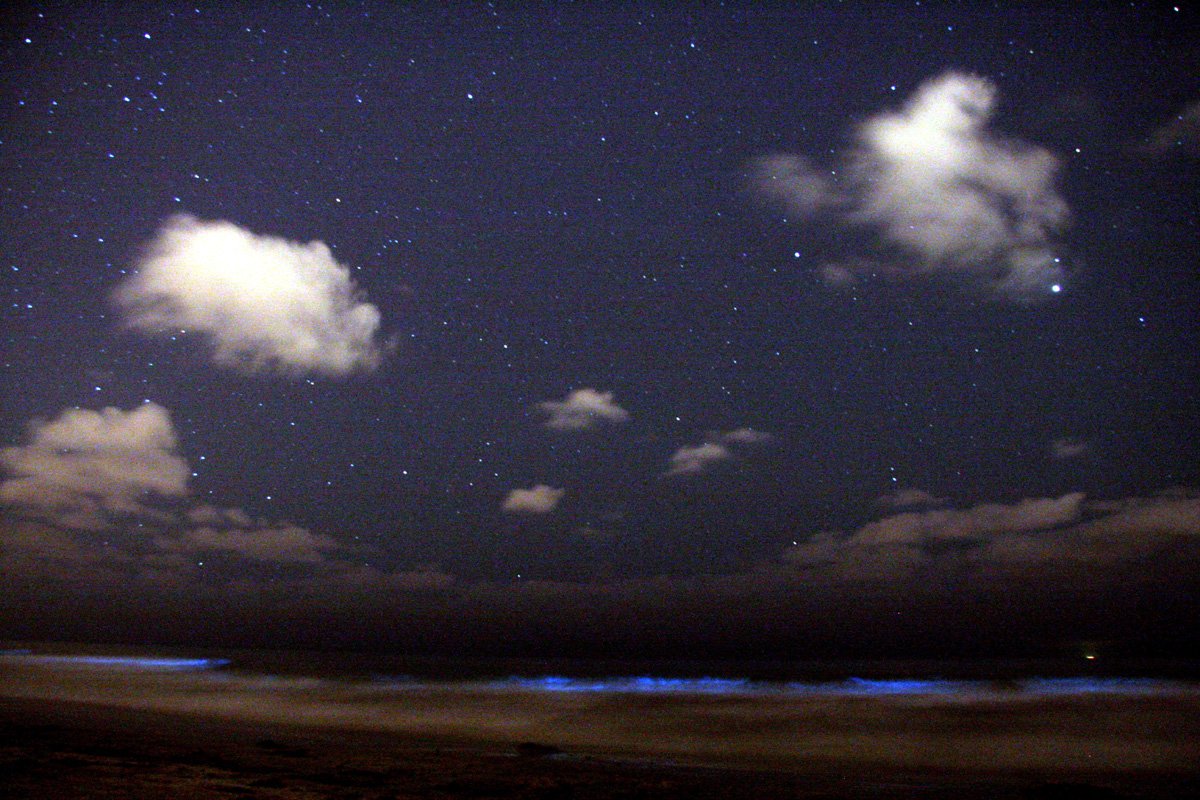
Near Falmouth, where the Martha Brae River flows into the sea, the Luminous Lagoon (also called Glistening Waters) lights up blue-green at night. Millions of tiny sea creatures called dinoflagellates flash when the water moves. Swish your hand and it sparkles like mermaid magic; fish dart by like little lanterns.
The mix of fresh river water, salty sea water and mangrove trees creates just the right home for them. It is one of only a handful of places on Earth where you can see this. A tip for visitors: the glow is brightest after a sunny day.
8. The national fruit came all the way from Africa
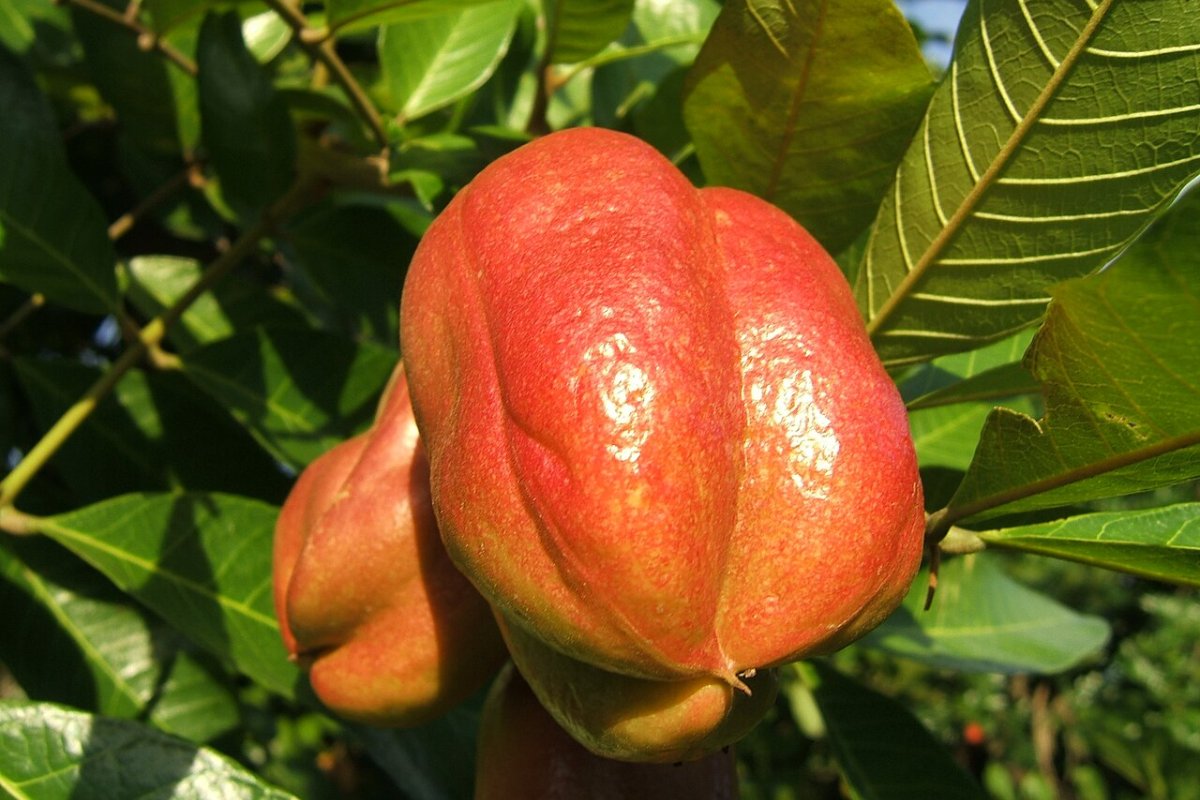
Ackee is Jamaica’s national fruit, and ackee and saltfish is Jamaica’s national dish. Many families eat it for breakfast with fried dumplings, boiled green bananas or breadfruit.
But ackee is not native to Jamaica. It came from West Africa in the 1700s, most likely aboard a slave ship. Jamaica is the only place where the fruit is widely eaten, which makes every plate of ackee and saltfish a little piece of the island’s African heritage. Ackee even appears in the old Jamaican folk song “Linstead Market.”
Safety tip for grown-ups: only the soft yellow part of a fully ripe, naturally opened ackee is eaten, after it is cooked. The black seeds and unripe fruit are poisonous, so ackee is always prepared by an adult who knows how.
9. Ackee is named after a famous ship captain
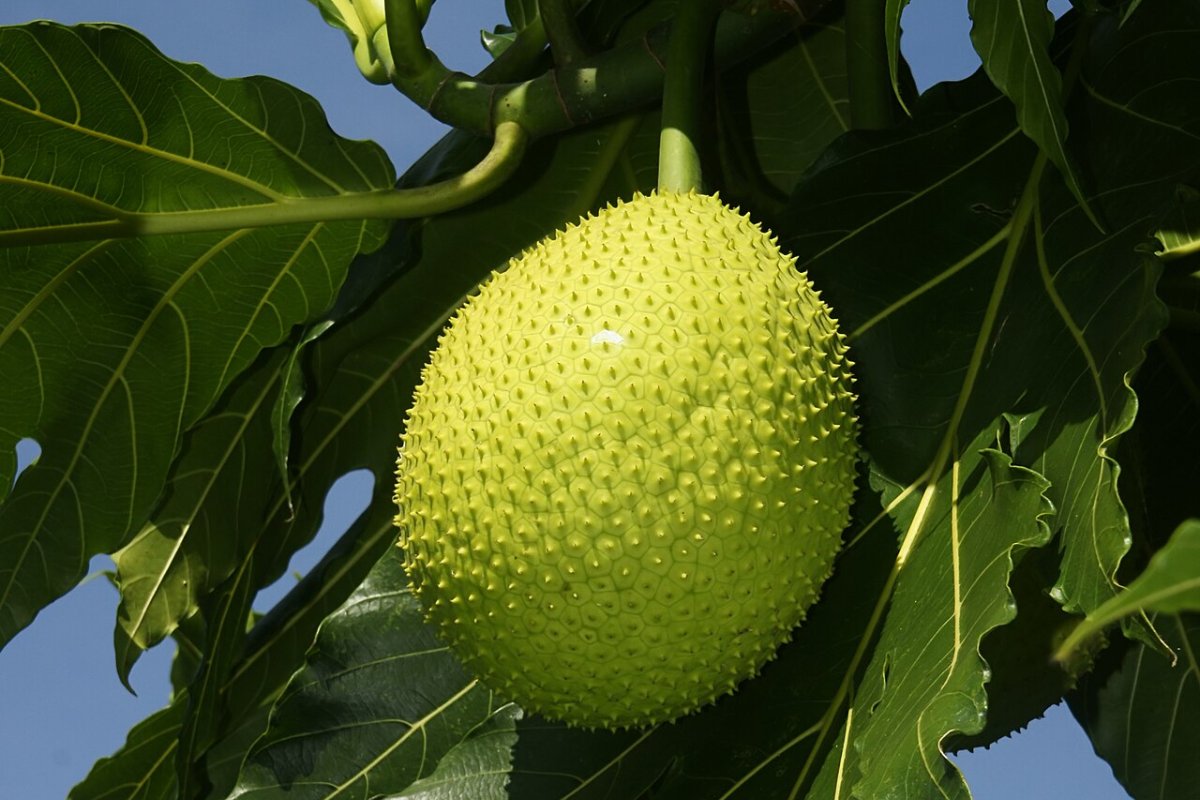
The fruit’s scientific name, Blighia sapida, honours Captain William Bligh of “Mutiny on the Bounty” fame. In 1793 he carried ackee plants from Jamaica to England, and scientists named the fruit after him. Bligh is also the captain who brought the first breadfruit plants to Jamaica, so in a way, he helped put both sides of a classic Jamaican breakfast plate into the history books.
10. A tropical island went to the Winter Olympics
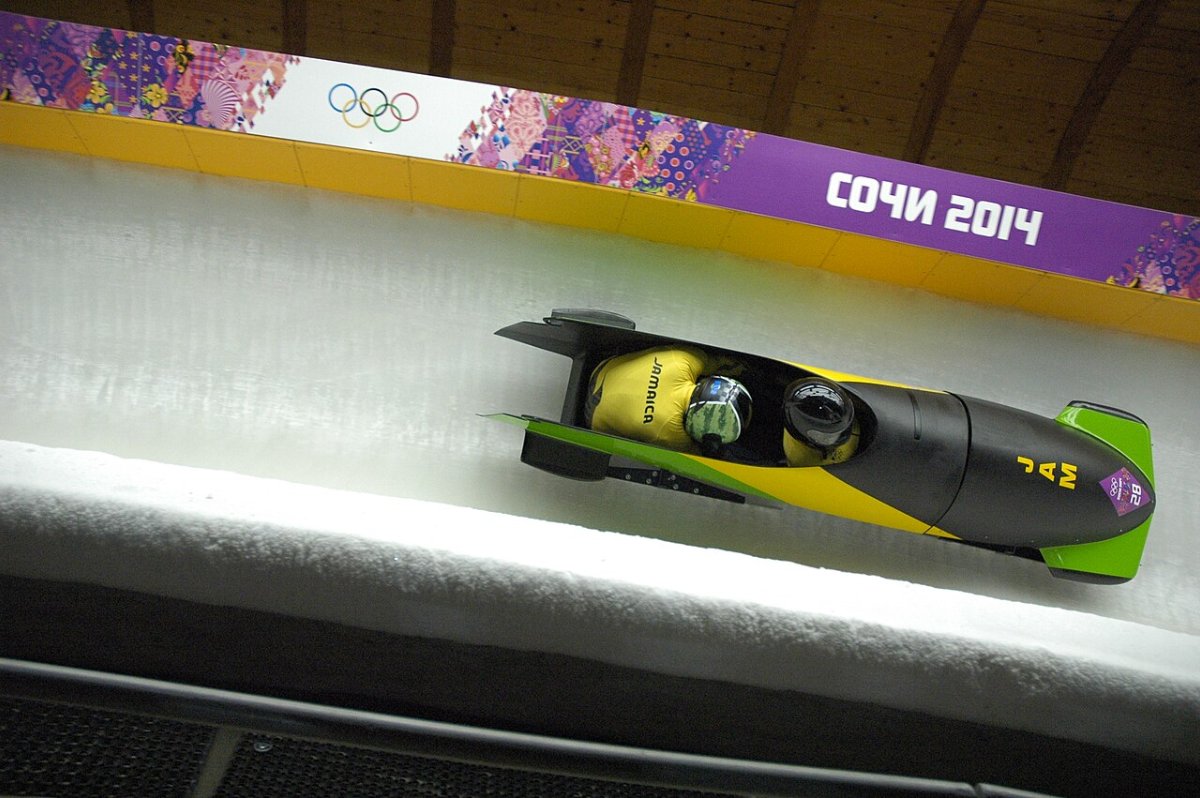
In 1988, Jamaica sent its very first bobsled team to the Winter Olympics in Calgary, Canada. Dudley Stokes and Michael White became Jamaica’s first Winter Olympians. The team trained on ice in the United States and Austria, a long way from Jamaica’s sunny beaches, and first rode down a bobsled track only months before the Games.
Fans around the world cheered them on, and Jamaica has returned to the Winter Olympics many times since, including a women’s bobsled team in 2018. Their story later inspired a famous movie. Can you guess its name? The answer is at the bottom of this story. 👇
Talk about it together
Ask your child: “If you could visit one of these places, which would it be, and why?” A sunken city? A glowing lagoon? A forest full of doctor birds? There are no wrong answers, only adventures.
 Who Cut Grandma’s Christmas Cake?
 Little Sister Mermaids Coloring Book
 Coloring Book — Ages 3 to 5
 Mommy, I Want to Be a Mermaid
 Lumière: Light of the Sea
 Mermaids of the Caribbean Mazes
 45 Fun Mermaid Activities
 A Tribute to Mothers